

The Simple Trick to Improve Your Optometry Denial Management and Catch Medical Necessity Errors
- yourrevbilling
- 12 minutes ago
- 5 min read
Let’s be honest: nothing kills the vibe of a productive week like opening your clearinghouse portal and seeing a sea of red. Denials. Specifically, those pesky “Medical Necessity” denials that feel like a personal attack on your clinical judgment.
You’ve done the work, the patient is seeing better, and yet the insurance carrier is essentially saying, “We don’t see why this was necessary.”
In the world of medical billing for optometrists, medical necessity is the leading cause of "preventable" revenue loss. The good news? Most of these denials aren't actually about your clinical decision-making; they are about how that decision was documented.
If you’re tired of the back-and-forth and want a tighter optometry denial management strategy, there is one simple trick that can fix 80% of your problems.
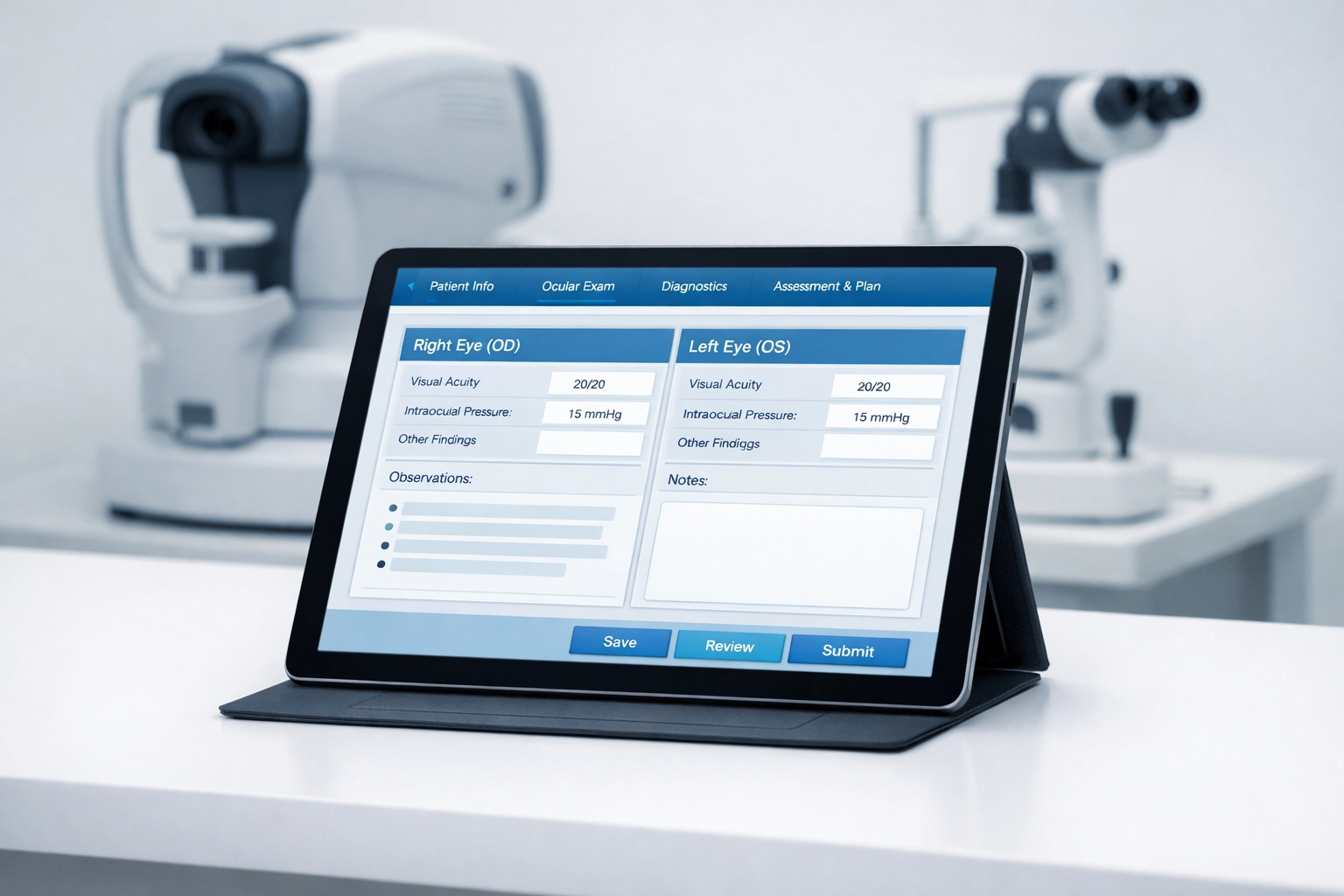
The Simple Trick: Standardized EHR Documentation Templates
The secret isn’t a magic code or a secret phone number to a Medicare rep. It’s the implementation of standardized documentation templates within your Electronic Health Records (EHR) system.
Most medical necessity errors stem from incomplete or vague documentation. When a claim is flagged, the auditor (or more likely, the AI algorithm) is looking for a specific breadcrumb trail: Chief Complaint -> Clinical Findings -> Diagnosis -> Treatment Plan. If one link in that chain is weak, the claim gets kicked back.
Why Templates Work for Optometry
Templates act as a digital checklist. They force you: and your technicians: to capture the specific data points that insurers require for certain procedures.
For example, if you are performing a fundus photo (92250), your template should prompt for:
The clinical indication (e.g., monitoring a specific lesion).
The findings from the photo.
How those findings will impact the treatment plan.
Without a template, it’s too easy to get caught up in the patient flow and forget to specify that the visual acuity was impacted by a cataract, leading to a denial for a surgery or specialized test.
Deep Dive: Catching Medical Necessity Errors Before They Happen
Medical necessity is defined by the payer, not just by the doctor. This is where many practices stumble. To master optometry denial management, you have to think like an auditor.
1. The Power of the Chief Complaint
Your documentation must start with a clear, patient-driven chief complaint. If the patient is in for a follow-up on glaucoma, "glaucoma follow-up" is okay, but "monitoring stable primary open-angle glaucoma; patient reports no new symptoms" is better. If you are billing a medical code (992xx or 920xx) instead of a vision plan, the chief complaint must be medical.
If you’re unsure which code to use for better reimbursement while staying compliant, check out our guide on 99214 vs 92014: Which is better for your optometry revenue cycle management.
2. Linking Diagnosis to Procedure
One of the most common medical necessity errors is a "mismatch." This happens when the ICD-10 code billed doesn't support the CPT code submitted.
The Strategy: Use your EHR to "hard-link" certain procedures to supported diagnoses.
Example: If you're performing an OCT of the macula, your template should ensure you’ve selected a diagnosis like macular degeneration or diabetic retinopathy. If you select "myopia," the claim will likely be denied for medical necessity.
Beyond the Trick: Three Strategies to Support Your Revenue Cycle
While templates are the "simple trick," they don't live in a vacuum. To truly optimize your medical billing for optometrists, you need a multi-layered defense.
Strategy 1: Switch to 100% Digital Workflows
Paper is the enemy of clean claims. Every time a staff member has to transcribe information from a paper intake form into your EHR, there is a risk of data entry error. Digital patient intake forms ensure that demographic and insurance information is captured accurately from the start.
Strategy 2: Implement Real-Time Eligibility Verification
You can’t have medical necessity if the patient doesn't even have active coverage. Denials for "coverage terminated" or "services not covered" are frustrating because they are entirely avoidable.
Action Step: Verify eligibility 48 hours before the appointment and again at check-in.
Resource: If you're struggling with this, read our post on 7 mistakes you’re making with optometry eligibility verification.
Strategy 3: Utilize Claim Scrubbing Software
Before a claim ever reaches the payer, it should pass through a "scrubber." This software scans for common errors, including bundling issues, missing modifiers, and: you guessed it: medical necessity mismatches.
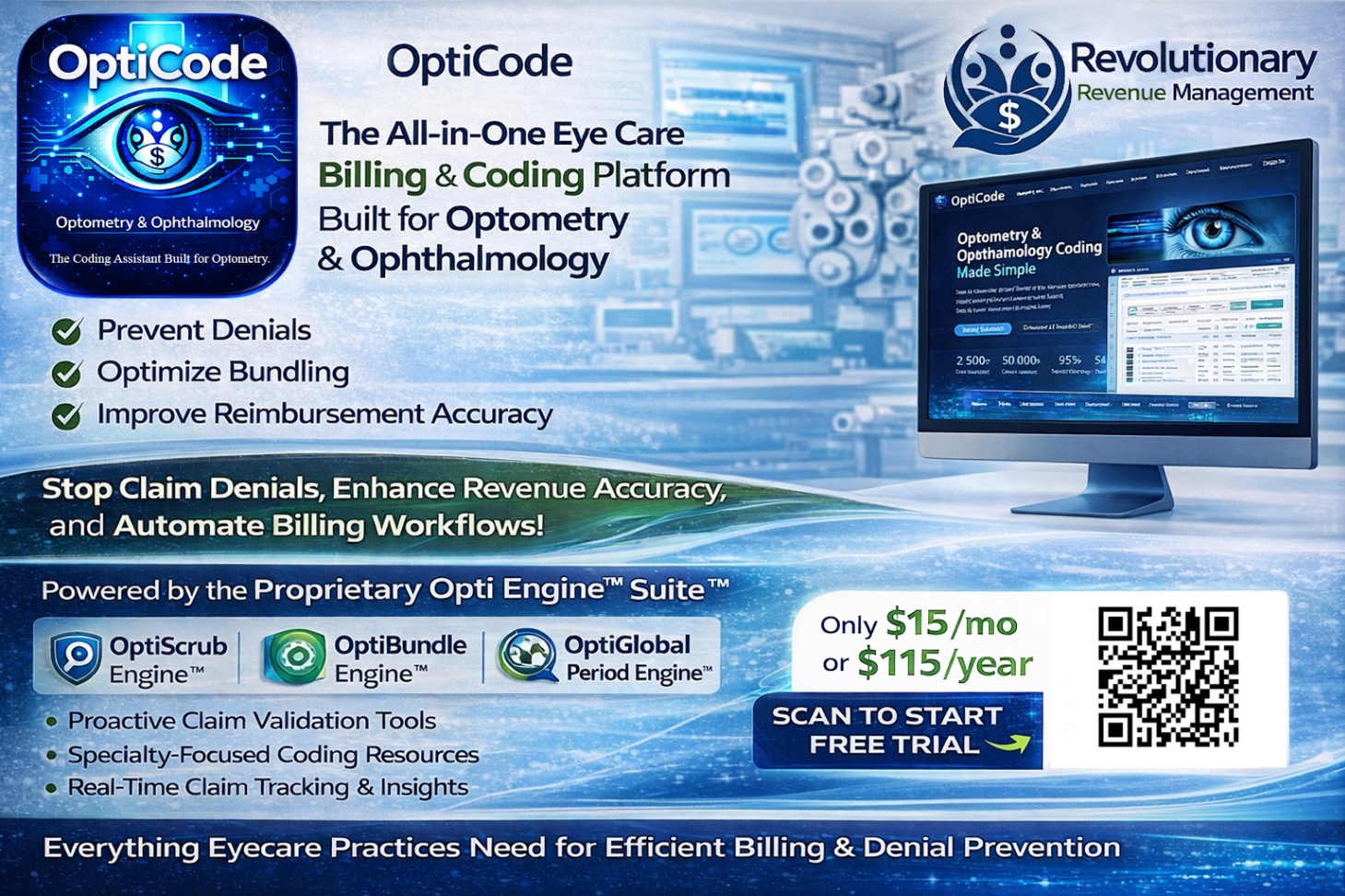
As shown in the image above, tools like OptiCode help automate these billing workflows. By using proactive claim validation, you can catch errors while the chart is still fresh in your mind, rather than chasing a denial three months later.
The "Copy-Paste" Trap
A word of caution: Templates are great, but "cloning" notes is a major red flag for auditors. If every single patient note looks identical, insurers will argue that the care wasn't individualized, leading to a massive "medical necessity" clawback during an audit.
Quick Tip: Use your templates to provide the structure, but ensure the specific findings are unique to that patient encounter. This is critical for staying compliant while maximizing your vision billing accuracy.
Why Your Aging Report is the Best Teacher
If you want to know where your medical necessity errors are hiding, look at your aging report.
Are you seeing a pattern of denials from a specific payer?
Are they all related to a specific procedure, like punctal plugs or visual fields?
Once you identify the pattern, you can go back and adjust your EHR template to include the missing information that the payer is looking for. For a deeper dive into cleaning up those old claims, see 10 reasons your aging report is growing.

How Revolutionary Revenue Management Helps
At Revolutionary Revenue Management, we see thousands of claims every month. We know exactly which payers are getting "picky" about medical necessity for things like G2211 or specialized imaging.
Handling your own optometry denial management can feel like a full-time job: because it is. When you partner with us, we don't just "submit claims." We analyze your documentation patterns, provide feedback on your EHR templates, and ensure that your practice is capturing every dollar it deserves.
We help you navigate the complexities of choosing the best optometry billing services and implement the 5 steps to revamp your revenue cycle.
Final Thoughts
Improving your optometry denial management doesn't require a total overhaul of your practice. By simply standardizing your EHR templates to prompt for medical necessity details, you bridge the gap between "the care you provided" and "the documentation the insurer requires."
Stop letting vague notes lead to empty pockets. Take an hour this week to look at your most frequent denials, update your templates, and watch your clean claim rate soar.
If you'd rather spend your time in the exam room than in the billing office, we're here to help. Let’s get your revenue cycle where it needs to be.

Comments